
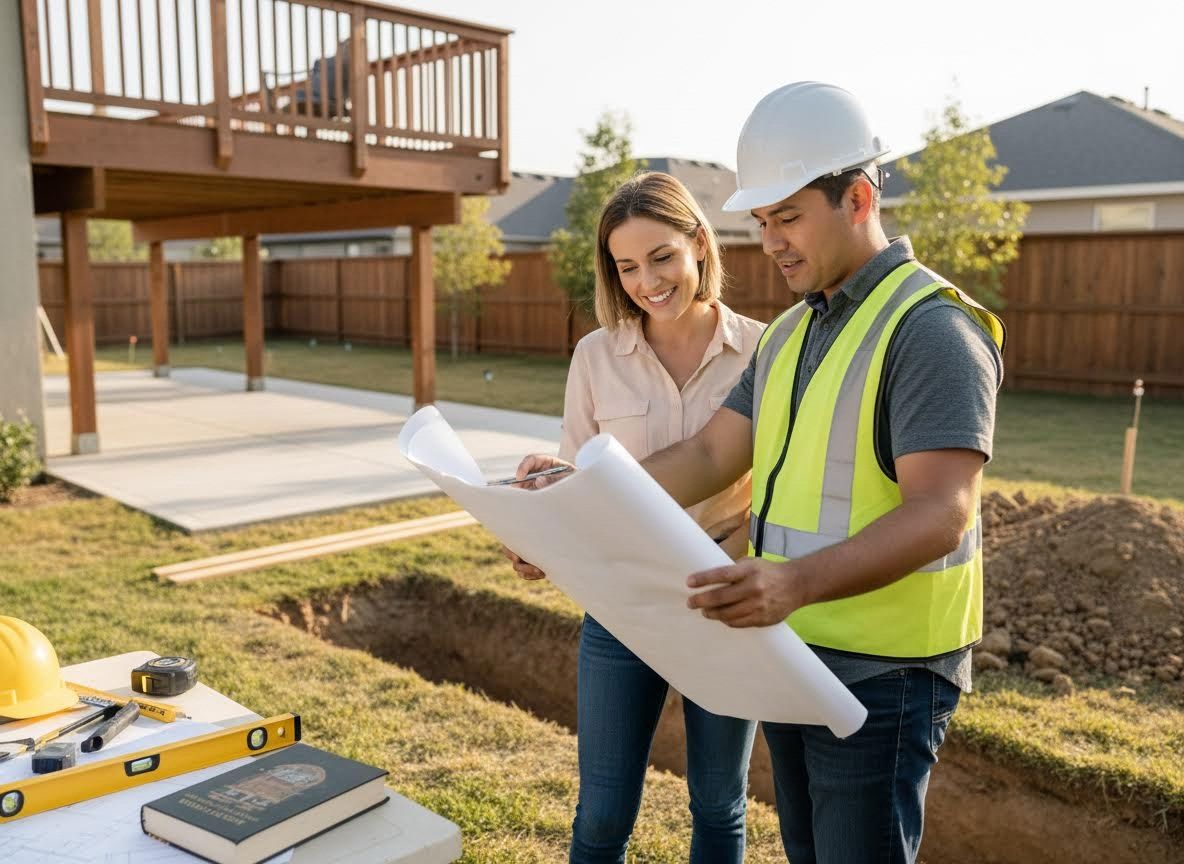
Embarking on a home improvement project is an exciting endeavor, promising to enhance your property's beauty and functionality. However, before any ground is broken or hammer is swung, understanding local building codes is paramount to ensuring your project's success and legality. These regulations, often overlooked by enthusiastic homeowners, are designed to protect you, your family, and your investment, ensuring safety, structural integrity, and adherence to community standards. At Rushford Construction, we believe informed decisions lead to outstanding results, and navigating these codes is a crucial first step for any significant undertaking.

The Foundation of Safety: Why Building Codes Exist
Building codes are far more than bureaucratic hurdles; they are the bedrock of safety and quality for all construction and landscaping projects. These meticulously crafted regulations address everything from structural stability and electrical systems to plumbing and fire safety, ensuring that every addition or alteration meets stringent standards. Ignoring them can lead to dangerous structural failures, electrical hazards, or health risks, putting your family and property at significant risk. Adhering to codes also safeguards your property value, as non-compliant work can be a major issue during inspections and future resale.
Common Home Projects That Require Code Compliance
Many popular outdoor living enhancements that homeowners dream of actually fall under strict building code regulations. For instance, when planning a new deck, permits are almost always required to ensure it can safely support weight and withstand local weather conditions. Similarly, concrete work, whether it’s for new patios, pool decks, or essential driveway repair solutions, often has specifications regarding drainage, reinforcement, and setback requirements. Even something seemingly straightforward like custom fencing solutions can be subject to height restrictions, material guidelines, and property line ordinances depending on your local jurisdiction. Large-scale landscape renovation projects might also involve grading changes or significant hardscaping that requires careful planning and permits.

Navigating the Local Permit Process with Confidence
The permit process can seem daunting, but it's a manageable part of any substantial home project. It typically involves submitting detailed plans of your proposed work to your local municipal building department for review and approval. This might include drawings, material specifications, and sometimes engineering reports. Understanding your specific local requirements is key, as codes can vary significantly from one town or county to another. A reputable contractor who is experienced in your area will be invaluable here, helping you understand the requirements, prepare the necessary documentation, and ensure your project adheres to all local stipulations, streamlining the path to approval.
Embarking on a home improvement journey is an investment in your future and your property's value. By prioritizing an understanding of local building codes, you ensure that your vision comes to life safely, legally, and to the highest standards. These regulations are in place to protect your investment and transform your home into the oasis you’ve always envisioned, free from future complications. To explore how your next construction and landscaping project can seamlessly integrate quality craftsmanship with local compliance, we encourage you to learn more about comprehensive outdoor home renovation services.